Safety in Rio de Janeiro for Tourists: Essential Tips
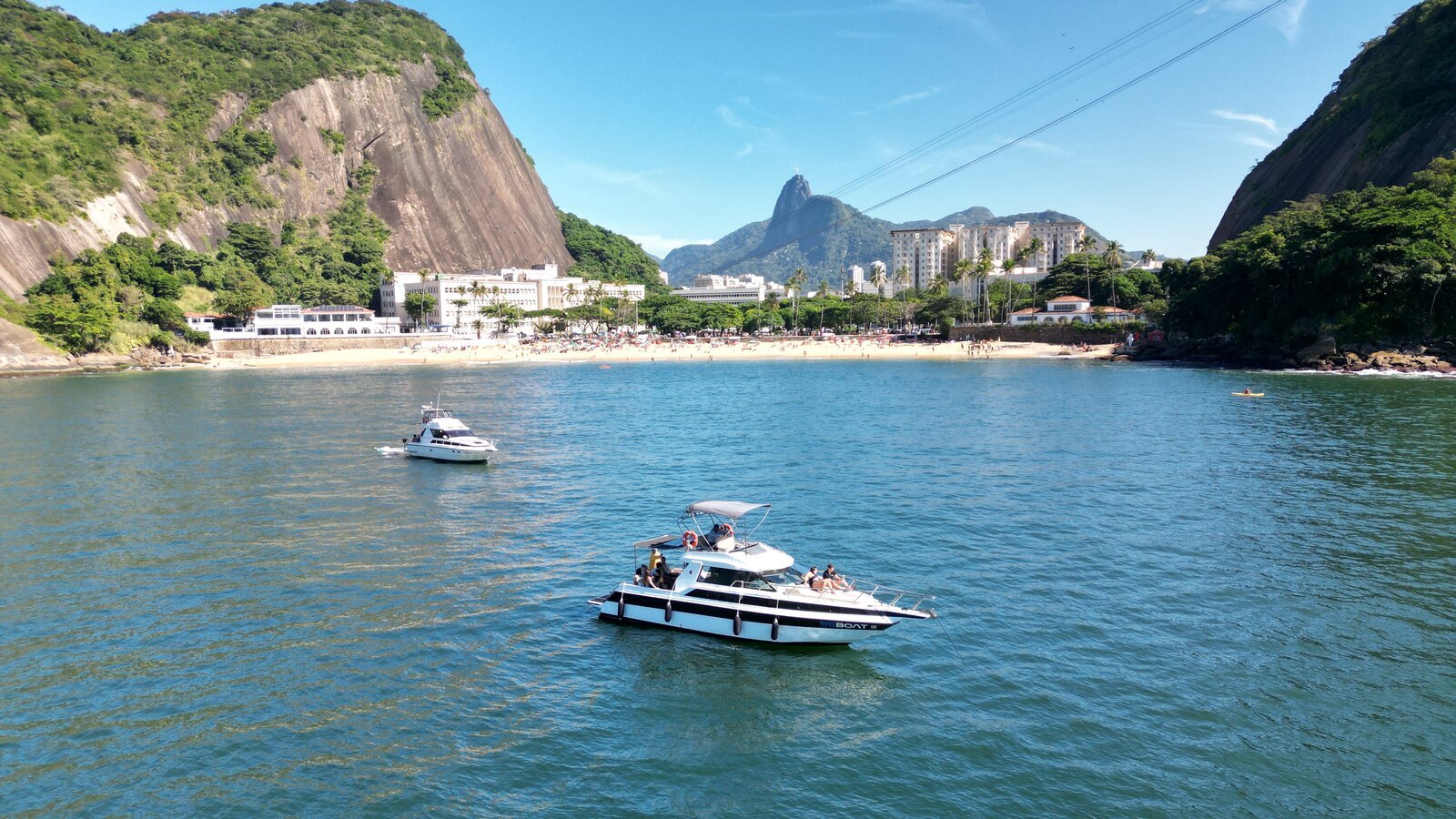
If you're planning a trip to Rio de Janeiro, you've probably already researched safety. It's the number one concern for international tourists -- and it's completely understandable. The internet is full of alarming news, but it also lacks context about how millions of tourists visit Rio every year and return home with incredible memories and zero problems.
This guide was written with honesty. We won't tell you Rio is perfect, because no major city is. But we will show you that, with basic precautions -- the same ones you'd take in New York, Barcelona, or Mexico City -- you can enjoy everything the city has to offer with peace of mind. If you're an international tourist planning your first visit, also check out our complete guide for foreign tourists in Rio.
Is Rio de Janeiro Safe for Tourists?
The short answer: yes, for tourists who take basic precautions. Rio de Janeiro welcomed over 2.5 million international tourists in 2024, in addition to millions of domestic visitors. The city has hosted the Olympics, World Cup, Carnival, and Rock in Rio without significant incidents involving tourists.
Rio's tourist areas -- such as Copacabana, Ipanema, Leblon, Urca, and the historic downtown -- have reinforced policing, security cameras, and visitor-oriented infrastructure. The vast majority of safety issues that make the news occur in areas that tourists simply don't visit.
That said, Rio is a large and unequal city. Opportunistic crimes like pickpocketing and phone theft can happen -- just as they can in any major metropolis in the world. The difference is that, with the right tips, you can reduce this risk to practically zero.
Safe Neighborhoods for Tourists in Rio
Your hotel location makes all the difference. These are the most recommended neighborhoods for tourists, all with good infrastructure, policing, and proximity to attractions:
Zona Sul -- The Safest Area
- Copacabana: Rio's most famous neighborhood, with a bustling boardwalk, hotels in every price range, and vibrant nightlife. Avoid the beach in the early morning hours and keep an eye on your phone along the boardwalk
- Ipanema: sophisticated and safe, with excellent restaurants and a beautiful beach. One of the neighborhoods with the lowest crime rate in the city
- Leblon: next to Ipanema, it's considered the safest neighborhood in Rio for tourists. Tree-lined streets, designer shops, and award-winning restaurants
- Botafogo: a residential neighborhood with views of Sugarloaf Mountain, diverse dining options, and easy access to the cable car. Excellent value for accommodation
- Flamengo: quiet, home to the world's largest waterfront urban park (Parque do Flamengo), and easy access to Marina da Glória
- Urca: perhaps the most peaceful neighborhood in all of Rio. Small, residential, home to the Mureta da Urca and Sugarloaf Mountain. Virtually zero incidents
Other Recommended Areas
- Centro (Downtown): safe during the day for visiting the Museu do Amanhã (Museum of Tomorrow), Boulevard Olímpico, and historic churches. At night, some areas become deserted -- prefer Uber to get back to your hotel
- Santa Teresa: bohemian neighborhood with artist studios and charming restaurants. Walk along the main streets during the day
- Barra da Tijuca: a planned neighborhood with shopping malls, gated communities, and an extensive beach. Safe, but far from the classic attractions
The Marina da Glória Area
If you're taking a boat trip with WeBoat, your meeting point is Marina da Glória -- and this is one of the safest areas in Rio de Janeiro. Here's why:
- 24-hour private security: Marina da Glória has access control, security guards, and cameras throughout the entire area
- Parque do Flamengo: the surrounding park is well-lit, frequented by joggers and cyclists during the day, and has regular police patrols
- Aterro do Flamengo: the avenue leading to the marina is busy and well-signposted
- Prime location: between downtown and Botafogo, easily accessible by Uber (5-15 minutes from Copacabana)
- Secure parking: if you're driving, the marina offers parking within the controlled area
See our complete guide to Marina da Glória to learn how to get there, where to park, and what to expect when you arrive for your trip.
How to Get Around Safely
Transportation is one of the most important factors for tourist safety in Rio. Follow these recommendations:
- Use Uber or 99: these ride-hailing apps are safe, affordable, and work perfectly in Rio. Avoid hailing taxis on the street -- if you need one, use only official yellow taxis
- Google Maps: works perfectly in Rio. Use it to check routes and travel times before heading out. Prefer routes along busy streets
- Metro: Rio's metro is clean, safe, and fast. It covers the entire Zona Sul all the way to Barra da Tijuca. Avoid rush hours if possible
- At night: always use Uber or 99. Avoid walking alone on dark or empty streets, especially in the downtown area and neighborhoods you don't know
- Beach: walk along the boardwalk in busy areas. The beaches of Copacabana, Ipanema, and Leblon are safe during the day
Tip for international tourists
Download the Uber and 99 apps before arriving in Rio. Both accept international credit cards and work from the airport. A ride from Galeão Airport to Copacabana costs on average R$ 80-120 (US$ 15-25).
What to Bring and What to Leave at the Hotel
The golden rule in Rio is simple: the less you carry, the safer you are. Here's how to organize:
Leave in the hotel safe
- Original passport (carry a printed or digital copy on your phone)
- Jewelry, expensive watches, and designer accessories
- Large amounts of cash
- Original travel documents
Bring with you
- Passport copy (a photo on your phone is sufficient)
- Credit/debit card (main card + backup in a different pocket)
- Enough cash for the day -- R$ 100-200 (US$ 20-40)
- Cell phone (with care -- see the section below)
- Sunscreen and water
Money and Cards: Practical Tips
Brazil's financial system is modern, and you'll have no trouble paying by card in most places:
- International credit card: accepted in virtually all restaurants, shops, and hotels. Visa and Mastercard work everywhere
- PIX: Brazil's instant payment system. Some establishments offer discounts for PIX payments. You can use it with international digital banking apps like Wise
- Currency exchange: never exchange money on the street. Use authorized exchange offices in shopping malls or at the airport. Even better: withdraw Brazilian reais from ATMs inside banks or shopping malls
- ATMs: only use ATMs inside bank branches or shopping malls. Avoid street ATMs or machines in isolated areas
- Tipping: not mandatory in Brazil. Restaurants already include a 10% service charge on the bill (optional). For special services, R$ 20-50 (US$ 4-10) is appropriate
Cell Phone Safety on the Street
Phone theft is the most common crime against tourists in Rio -- and also the easiest to prevent:
- Be discreet: avoid using your phone while standing at street corners or near the curb. When you need to use it, step into a shop or restaurant
- Crossbody bag: use a crossbody bag with a zipper. Keep your phone inside, not in your back pocket
- Phone lanyard case: very popular in Rio. Both locals and tourists use cases with a lanyard around the neck or wrist
- At the beach: don't leave your phone on the sand while swimming. Ask someone in your group to watch your belongings
- Cloud backup: before traveling, enable automatic backup of photos and important documents (iCloud, Google Drive). If the worst happens, you won't lose anything
- Write down important numbers: keep the hotel number, your consulate's number, and emergency numbers written on paper in your pocket -- in case you're without your phone
Safety During the Boat Trip
Here's a truth that few people mention: a boat trip is probably the safest activity you can do in Rio de Janeiro. Think about it -- you're out on the water, far from any urban risk, on a private vessel with a professional crew.
At WeBoat, safety is taken seriously at every level. To learn more about the specific navigation safety protocols, read our boat trip safety guide. Here's a summary:
- Licensed crew: all skippers hold a license from the Capitania dos Portos (Brazilian Navy) and are trained in first aid
- Regulated vessels: all boats are registered and inspected by the Brazilian Navy, with mandatory insurance (DPEM)
- Safety equipment: life jackets for everyone, buoys, fire extinguisher, first aid kit, and VHF radio for communication with the port authority
- Weather monitoring: before every trip, the crew checks sea and weather conditions. If there's any risk, the trip is rescheduled at no cost
- Private setting: you're only with your group and the crew -- no crowds, no strangers
- Your belongings stay safe: inside the boat, your belongings are stored in enclosed areas. There's no risk of theft
In over 3,000 trips completed, WeBoat has never recorded a single safety incident with passengers. The combination of proper equipment, professional crew, and weather monitoring ensures a safe and relaxing experience for everyone.
Learn more about how the boat trip works from start to finish, and check our FAQ for specific questions about on-board safety.
Emergency Contacts in Rio de Janeiro
Write down these numbers before traveling. All emergency calls in Brazil are free:
- 190 -- Military Police: for security emergencies (muggings, threats)
- 192 -- SAMU (Ambulance): emergency medical care
- 193 -- Fire Department: fires, rescues, and drownings
- DEAT -- Special Tourist Support Police Station: a police station specialized in assisting tourists, with service in English and Spanish. Located at Rua Humberto de Campos, 315 -- Leblon. Phone: (21) 2332-2924
- Hospital Municipal Miguel Couto: 24-hour emergency room, a reference hospital in Zona Sul. Rua Mário Ribeiro, 117 -- Gávea. Phone: (21) 2274-2121
- Hospital Copa D'Or: a leading private hospital in Copacabana. Accepts international insurance. Rua Figueiredo de Magalhães, 875. Phone: (21) 2545-3600
Travel insurance is essential
Brazil does not require mandatory travel insurance, but it is highly recommended. Private medical care in Rio can be expensive. A good travel insurance policy covers medical emergencies, lost luggage, and even flight cancellations for as little as US$ 5 per day.
10 Practical Safety Tips for Tourists in Rio
- Use Uber or 99 to get around -- especially at night. They're cheap, safe, and you don't need to negotiate prices
- Don't display valuables on the street -- expensive watches, professional cameras around your neck, and phones in plain sight attract unwanted attention
- Stay in tourist areas -- Zona Sul, downtown during the day, and Barra da Tijuca are the safest and most interesting areas for visitors
- Use the hotel safe -- store your original passport, extra cash, and documents. Only carry what you need for the day
- Don't leave belongings unattended at the beach -- someone in your group should always stay with the bags. Use waterproof waist pouches for your phone
- Avoid walking alone late at night -- even in safe neighborhoods like Copacabana, it's better to use Uber after midnight
- Carry copies of your documents -- a passport photo on your phone and a printed copy in your pocket. Leave the original at the hotel
- Don't exchange money on the street -- use exchange offices in shopping malls or withdraw cash from ATMs inside banks
- Enable phone location tracking -- both "Find My iPhone" (Apple) and "Find My Device" (Google) work in Brazil and can help locate or lock your device remotely
- Trust the cariocas -- the people of Rio are genuinely welcoming. If you ask for help, you'll almost always be well received. Don't let fear ruin your trip
Frequently Asked Questions About Safety in Rio
Is Rio de Janeiro dangerous for tourists?
No, as long as you take basic precautions. Rio's tourist areas (Zona Sul, historic downtown, Barra) are policed and visited by millions of travelers every year. Rio has successfully hosted events like the Olympics and the World Cup. Crimes against tourists are mostly opportunistic (pickpocketing) and can be prevented by following the tips in this guide.
Is it safe to use Uber in Rio?
Yes, Uber and 99 are extremely safe in Rio de Janeiro. Drivers are rated, rides are GPS-tracked, and you have a complete record of every trip. It's the most recommended form of transportation for tourists, especially at night.
Can I use my cell phone on the street?
Yes, but with care. Avoid standing at street corners using your phone, especially near the curb. When you need to use GPS or take photos, step into a shop, restaurant, or stay in busy areas. Using a phone case with a wrist or neck lanyard is a popular and effective precaution.
Is the boat trip safe?
Very safe. WeBoat's boats are registered and inspected by the Brazilian Navy, equipped with all mandatory safety items, and operated by licensed crew. Plus, you're in a private setting, far from any urban risk. It's probably the safest activity you can do in the city. Read more in our boat trip safety guide.
Planning Your Trip to Rio?
Take a private boat trip -- the safest and most unforgettable activity in Rio de Janeiro. Chat with us and ask all your questions.